
PVC hoses are super common in decoration nowadays. Their usage is on the rise, and more and more manufacturers are popping up. So, we need to pay attention to how we store PVC hoses to avoid damaging them. Now, let’s hear from PVC hose manufacturers.
How to Store PVC Hoses
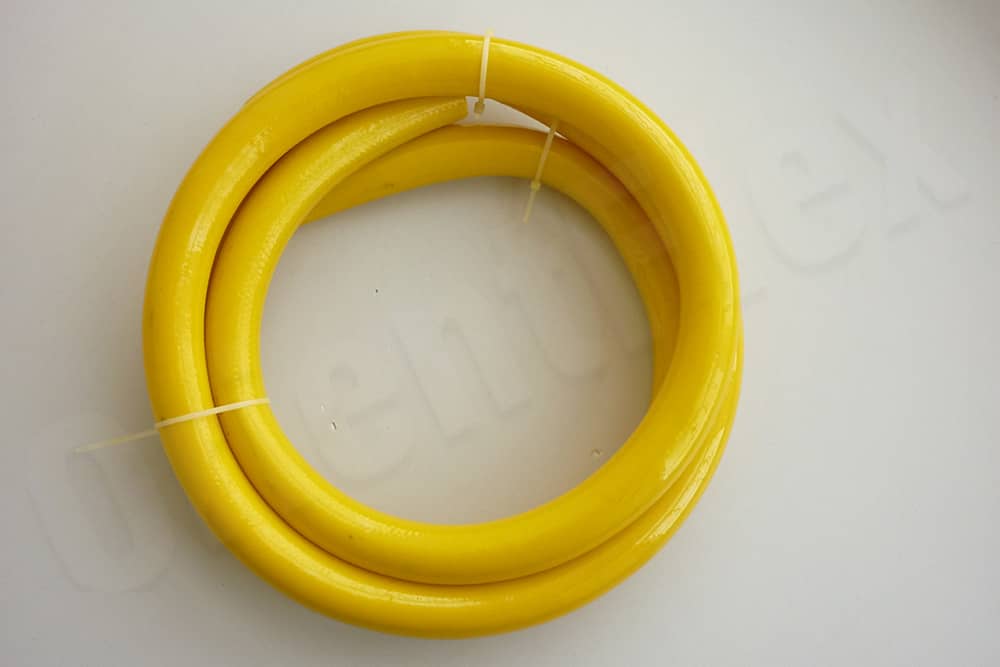
When you store PVC hoses directly, put them flat on the ground. Make sure to keep stones and sharp objects away to prevent damage to the hose walls. There might be some slight differences in how you stack them, but remember, the maximum storage deviation for PVC hoses should be no more than 3% of the nominal diameter.
Working Temperature of PVC Hoses
The maximum operating temperature for these hoses is about 65℃. During hot summers, keep them out of direct sunlight and make sure there’s good airflow between the hoses to stop the temperature from climbing. When you stack PVC hoses, put the larger and heavier ones on the bottom and the smaller, lighter ones on top. The stack height shouldn’t go over 2m, and use wedges or wooden blocks on both sides.
Difference Between Hot and Cold Water Hoses
Water hoses have a long lifespan. Cold water hoses have thin walls, while hot water hoses have thicker walls. Also, hot water hoses are better at resisting fractures than cold water hoses. It’s crucial to know that cold water hoses are not suitable for carrying hot water at all. The long-term use temperature for cold water hoses is 40℃ or less, and for hot water hoses, it’s 70℃ or less. An easy way to tell them apart is that hot water hoses usually have a red line mark, while cold water hoses are marked blue or not marked at all.