
Summer is peak travel season, and many hit the road for long vacations. But high temperatures bring unique challenges for cars. Hoses crack, radiators leak, and—most critically—brake systems face extra stress. To keep your summer trips safe, let’s focus on maintaining your car’s brake system, with special attention to the all-important brake hose.
Why Summer Heat Risks Your Brake System
Your car’s braking system is its most vital safety feature. Summer heat amplifies wear: high temps can dry out rubber in brake hoses, making them brittle. This raises the risk of cracks, leaks, or even failure—especially on long drives. Before you head out, a quick check can prevent disaster.
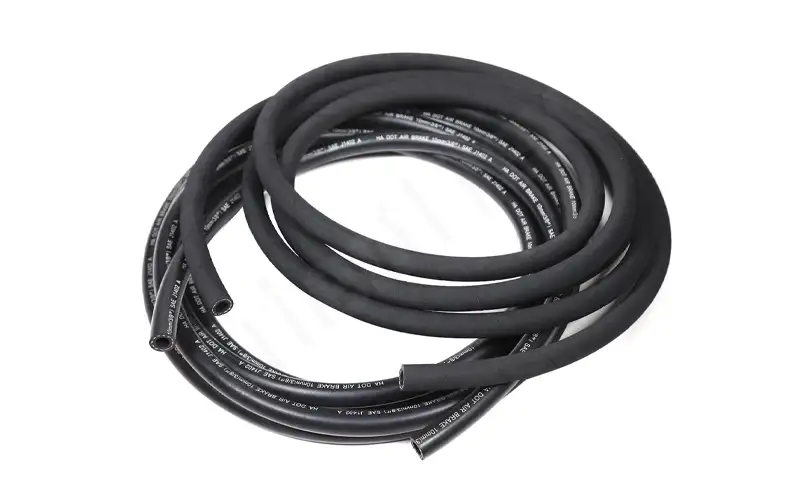
Pre-Trip Brake Checks: Start with the Brake Hose
First, inspect the brake hose. A worn automotive brake hose often weakens stopping power. Squeeze the hose gently—if it feels hard, cracked, or swollen, it needs replacement.
Next, check brake pads and shoes. If their lining is worn below the minimum safe thickness (usually 3–4 mm), replace them immediately. Most auto shops can measure this in minutes during a routine check.
Don’t forget the brake fluid. Heat causes fluid to degrade, reducing its ability to transmit pressure. Check levels and color—clear or amber fluid is good; dark or murky fluid needs flushing.
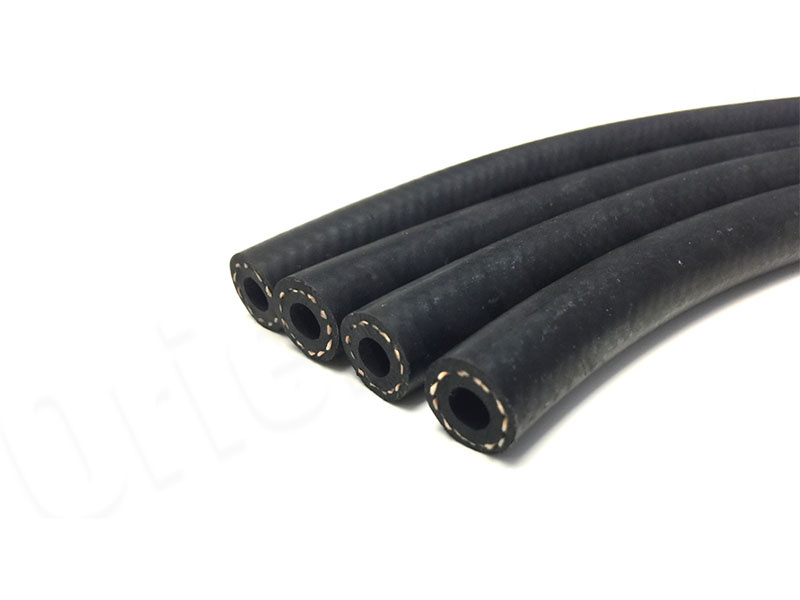
Warning Signs Your Brake System Needs Attention
Watch for these red flags—they mean it’s time to inspect your brakes (and brake hose) right away:
The brake pedal feels loose and unresponsive when pressed.
Pedal is overly tight, making it hard to push down.
The pedal sits too low or too high (a sudden change from normal).
Brake warning lights pop up on your dashboard.
You hear a constant, high-pitched scraping sound when braking.