
1. First, Identify Aging Signs of Gas Hose Early
Catching aging early prevents gas hose failures. Check your gas hose for these clear signs every 1–2 months:
Surface damage
Look for cracks, hardening, or brittleness on the gas hose’s outer layer. Aging rubber loses flexibility, so the hose may feel stiff instead of soft.
Leakage clues
Smell for a faint gas odor near the gas hose. You can also apply a soapy water solution to the hose and fittings—bubbles mean tiny leaks from aging seals.
Discoloration or swelling
An aging gas hose may turn yellow/brown or swell slightly. These are red flags that the hose’s material is failing.
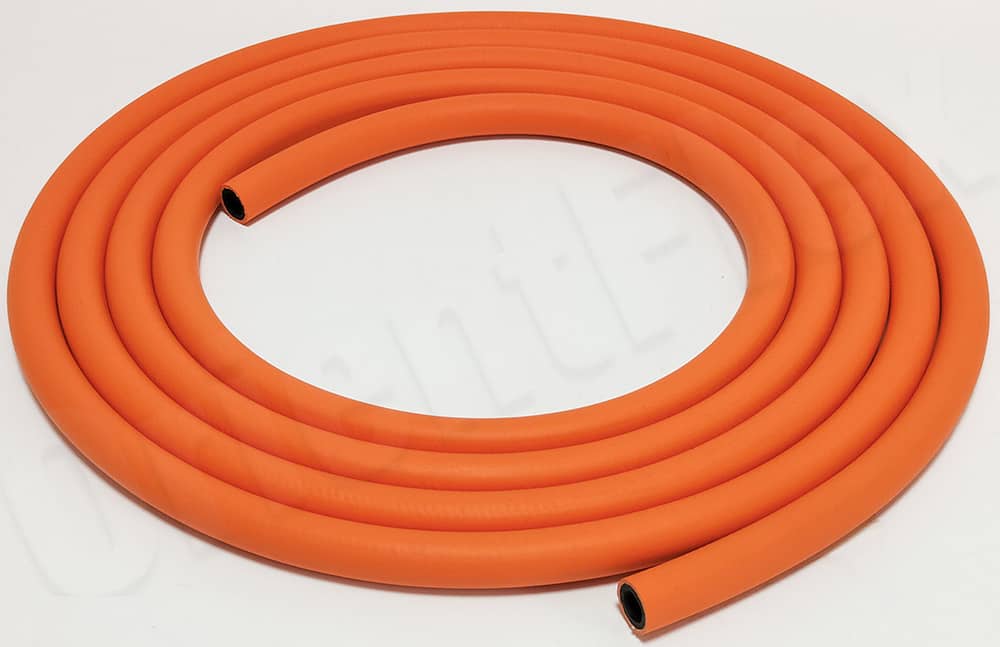
2. Immediate Steps to Handle Aging Gas Hose
Once you spot aging signs, take action fast to avoid risks:
Stop using the gas hose at once
Turn off the gas supply valve immediately. An aging gas hose can leak or burst anytime. So don’t use it for cooking, heating, or other tasks.
Replace the gas hose if damage is severe
If the gas hose has cracks, leaks, or hardening, replace it and don’t try to repair it. Choose a new gas hose that matches your gas type and has a pressure rating of at least 0.1 MPa.
Temporarily secure minor issues
If the gas hose only has slight discoloration, wrap it with gas-hose-specific tape to protect it. But this is a temporary fix, so replace the hose within 1 week.

3. Preventive Maintenance to Slow Gas Hose Aging
Extend your gas hose’s life with regular care:
Store the gas hose properly
Keep the gas hose away from direct sunlight and heat sources. Hang it in a cool, dry place when not in use.
Avoid kinking or pulling the gas hose
Kinking bends the gas hose’s inner layer, causing early wear. When moving gas appliances, gently straighten the hose instead of pulling it.
Replace gas hose regularly
Household gas hoses have a lifespan of 1–2 years. Industrial gas hoses last 3–5 years. Replace them on schedule, even if they look fine.