
1. Standard PVC Hose: Typical Air PSI Limits
Most regular PVC hoses (used for light air tasks like inflating toys or small tools) handle 50 to 100 PSI. This range works for casual use—think home DIY projects or inflating pool floats. Thicker PVC hoses (often labeled “medium-duty”) can handle up to 150 PSI. These are better for small air compressors that power nail guns or airbrushes. Always check the PVC hose’s label: manufacturers clearly print the maximum PSI to avoid confusion.
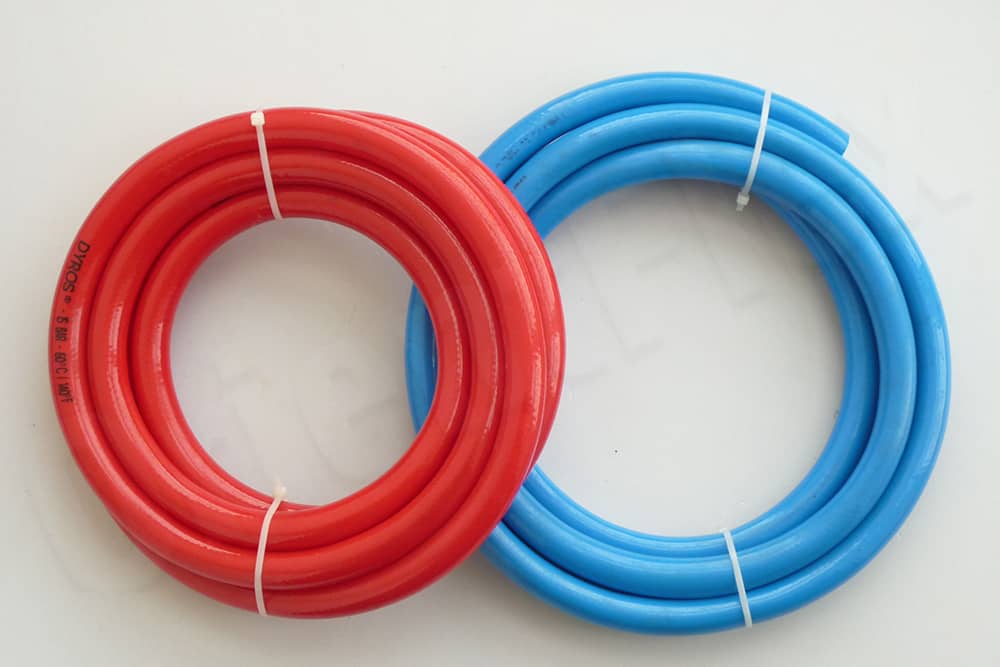
2. Factors That Lower PVC Hose’s Air PSI Capacity
First, temperature affects PVC hose’s PSI tolerance. High heat (over 65℃) softens the PVC material. A PVC hose that normally handles 100 PSI may only hold 70 PSI in hot weather. Cold temperatures (below℃) make PVC brittle—this doesn’t lower PSI directly, but it makes the hose more likely to crack if pressure spikes. Second, age and wear reduce capacity. Old PVC hoses (over 3 years) lose flexibility. Their max PSI drops by 20% to 30%. Scratches or small cracks also weaken the hose, making it unsafe to use at full PSI.
3. Safety Tips for Using PVC Hose with Air Pressure
Never exceed the PVC hose’s rated PSI—this causes leaks or even bursts. Use a pressure gauge to monitor air flow; stop if pressure gets close to the hose’s limit. Replace old or damaged PVC hoses immediately—even small cracks can lead to sudden failures. For heavy-duty tasks (over 150 PSI, like industrial air tools), skip PVC hose. Choose rubber or reinforced hoses instead—they handle higher pressure more safely than PVC.