
ISO Core Standards
ISO sets foundational quality rules for high hose clamps.
ISO 6927
Defines heat resistance requirements, ensuring high hose clamps withstand temperatures up to 200°C+ without deforming or losing sealing ability . This is critical for automotive and industrial applications near engines or exhausts.
ISO 9001
Mandates strict quality control systems for manufacturers. High hose clamps certified to ISO 9001 undergo consistent testing for torque, corrosion and durability.
ISO 1307
Governs sizing compatibility, ensuring high hose clamps match hose outer diameters precisely to avoid leaks or damage.
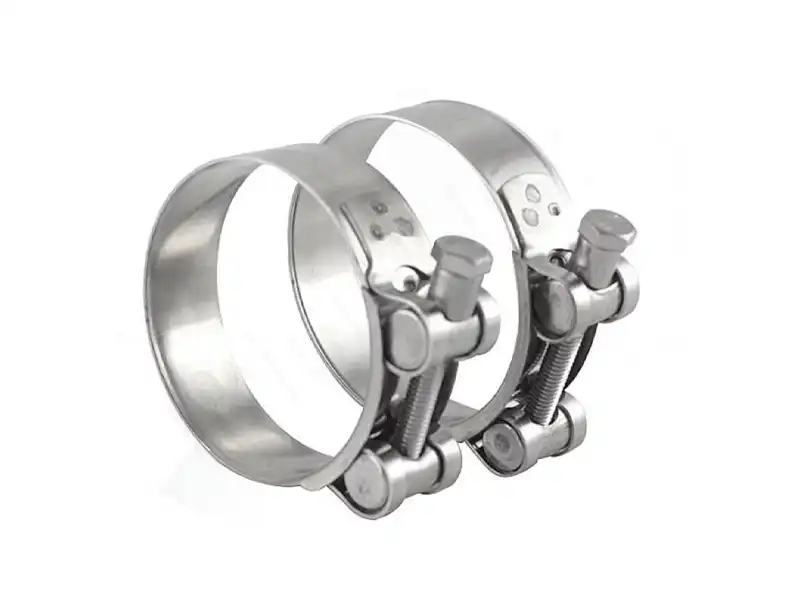
2. EN Standards for Performance
EN standards focus on safety and reliability:
EN 853
Specifies high hose clamp strength for hydraulic systems, requiring clamps to handle pressures up to 40MPa without failure . This is widely used in industrial machinery.
EN 14420
Covers stainless steel materials for high hose clamps. This ensures corrosion resistance in harsh environments. It aligns with ASTM A240 for 304/316 steel.
3. Cross-Regional Material and Testing Standards
These standards unify quality benchmarks across continents:
ASTM A240
Though U.S.-based, this standard for stainless steel (304/316) is globally adopted for high hose clamps. It guarantees resistance to rust and chemical erosion, critical for long-term performance .
SAE J1508
Originally an American standard, it defines torque ranges and material specs for heavy-duty high hose clamps. Manufacturers worldwide use it for high-pressure systems.
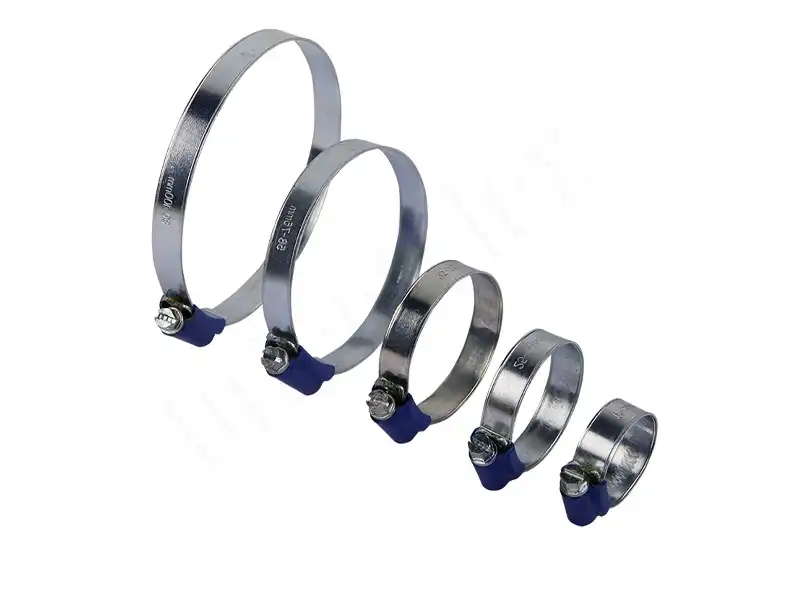
4. Application-Specific International Guidelines
Certain sectors rely on specialized global standards:
Automotive
SAE J2043 tests high hose clamps for vibration resistance, ensuring they stay secure in engine bays .
Gas Systems
GB/T 41317-2022 aligns with ISO safety norms, requiring high hose clamps to pass anti-leak tests—now adopted in global gas appliance manufacturing .
Hydraulics
DIN EN 853 and ISO 10434 work together to validate high hose clamp strength for industrial hydraulic systems .